

























How to Choose the Right Blood Pressure Monitor for Your Clinic
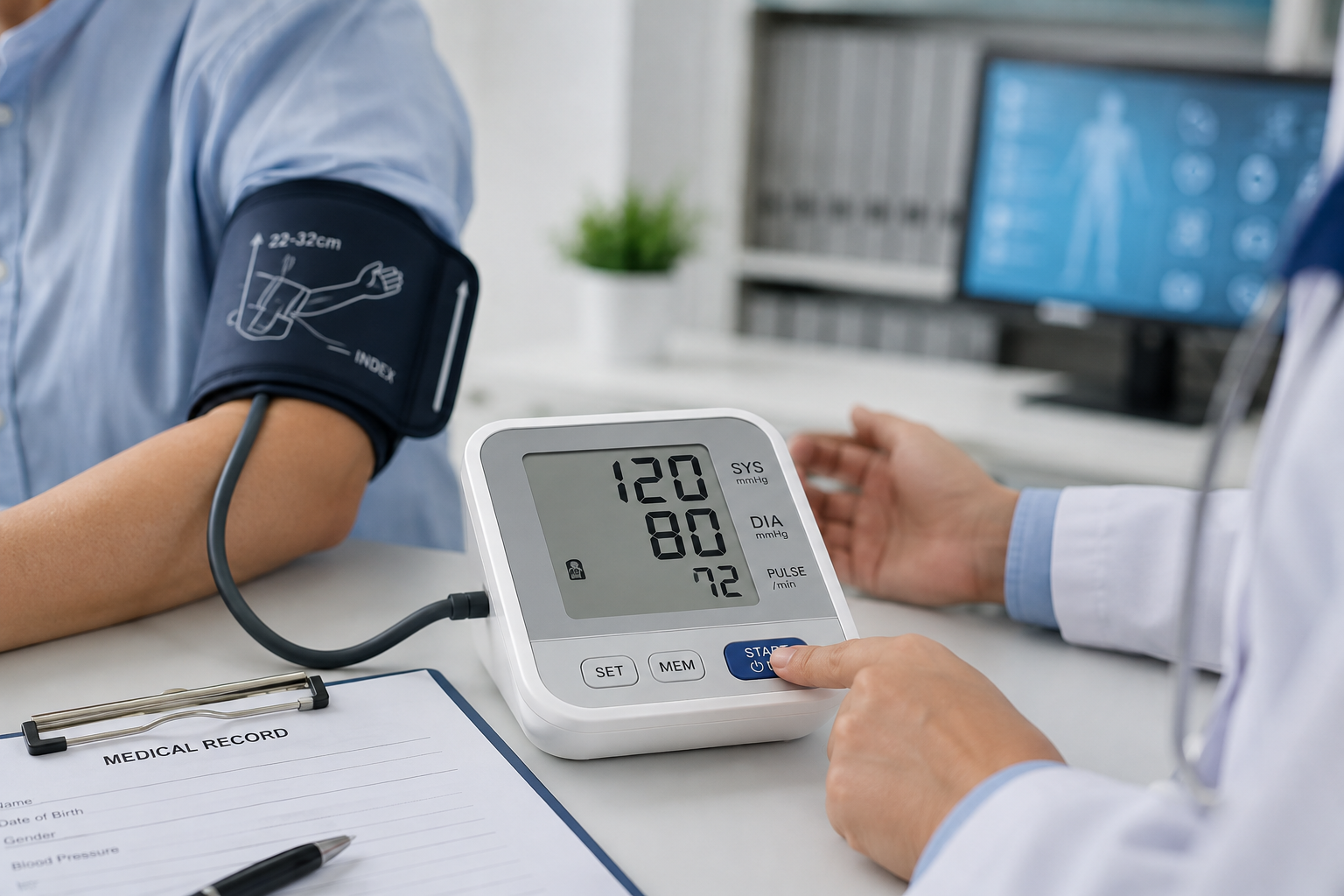
Choosing the right blood pressure monitor is important for accurate patient monitoring. Learn about the key features to consider when selecting a reliable blood pressure monitor for your clinic or healthcare facility.
Selecting the right blood pressure monitor can make routine patient monitoring more convenient and reliable. Clinics, hospitals, physiotherapy centres, and healthcare professionals should consider accuracy, ease of use, durability, display readability, cuff size options, and device functionality before making a purchase.
A good blood pressure monitor should provide consistent readings and be simple for healthcare staff to operate. Digital monitors with clear displays and automatic inflation can be particularly useful in busy clinical environments.
When choosing a blood pressure monitor, consider the following factors:
1. Accuracy and Reliability
Look for a device designed to provide consistent and reliable blood pressure readings.
2. Cuff Size
Ensure that the monitor supports the appropriate cuff size for the patients being treated.
3. Ease of Operation
A simple interface and clear digital display can help healthcare professionals take readings quickly.
4. Memory and Patient Records
Some advanced monitors can store previous readings, making it easier to track changes over time.
5. Portability
For clinics or healthcare professionals who need to move equipment between rooms, a compact and lightweight monitor can be beneficial.
6. Durability and Maintenance
Medical equipment used regularly should be durable and easy to maintain.
At Medora, we help healthcare professionals find medical equipment suited to their clinical requirements. Explore our range of health monitoring and medical equipment or contact our team for assistance in selecting the right solution.
Leave a Reply
Your email address will not be published. Required fields are marked *
Comments (0)
No comments yet. Be the first to share your thoughts.